Business Insurance in Wisconsin: Protecting Your Company, Employees, and Future

Running a business in Wisconsin is both rewarding and challenging. Whether you operate a cozy café in Madison, a manufacturing plant in Green Bay, or a service company in Eau Claire, every business faces risks that could threaten its stability. From property damage and liability claims to employee injuries, unforeseen events can disrupt operations and cause financial loss.
That’s where business insurance in Wisconsin plays a vital role. With the right coverage, business owners can protect their investment, ensure continuity, and focus on growth instead of worrying about “what if.”
Why Business Insurance Matters
No matter how carefully you run your business, accidents and unexpected events can happen. A single lawsuit, fire, or cyberattack could cost thousands—or even millions—of dollars. Business insurance acts as a safety net, covering losses and liabilities that could otherwise cripple your operations.
In Wisconsin, many types of business insurance are optional, but they’re often essential for long-term success. Certain coverages, like workers’ compensation, are required by law if you employ staff. Others, like general liability or property insurance, are simply smart investments that can save your company from financial disaster.
Key Types of Business Insurance in Wisconsin
Understanding the different kinds of coverage available helps you tailor a policy that fits your business’s unique needs.
1. General Liability Insurance
This is the foundation of most business insurance policies. It covers claims of bodily injury, property damage, or advertising injury caused by your business operations.
For example, if a customer slips and falls in your store or a contractor accidentally damages a client’s property, general liability insurance helps cover legal fees, settlements, and medical costs.
2. Commercial Property Insurance
This protects your physical assets—such as your building, equipment, furniture, or inventory—against damage or loss caused by fire, theft, storms, or vandalism. Even if you rent your business space, property coverage is essential for safeguarding what you’ve built.
3. Business Interruption Insurance
Also known as loss of income insurance, this coverage helps replace lost revenue if your business operations are temporarily halted due to a covered event like a fire or storm damage. It can help pay rent, salaries, and other ongoing expenses until you’re back on your feet.
4. Workers’ Compensation Insurance
Wisconsin law requires most employers to carry workers’ compensation insurance. It covers medical bills, lost wages, and rehabilitation for employees injured on the job. Not only does it protect your workers—it also shields you from costly lawsuits.
5. Commercial Auto Insurance
If your company owns vehicles used for deliveries, services, or transport, you’ll need commercial auto insurance. It covers liability and physical damage from accidents involving business-owned vehicles.
6. Professional Liability (Errors & Omissions) Insurance
For businesses that provide advice or professional services—like consultants, accountants, or contractors—this coverage protects against claims of negligence, mistakes, or inadequate work that result in financial loss for a client.
7. Cyber Liability Insurance
In an increasingly digital world, cyber threats are on the rise. This coverage helps pay for expenses related to data breaches, ransomware, and cyberattacks—including legal fees, customer notification costs, and data recovery.
8. Business Owner’s Policy (BOP)
A Business Owner’s Policy combines general liability, property, and business interruption coverage into one affordable package. It’s ideal for small to medium-sized Wisconsin businesses looking for broad protection at a competitive price.
Industry-Specific Coverage in Wisconsin
Different industries face different risks, and insurance should reflect that. Here are some examples of industry-specific protection:
-
Retail Stores: Theft, customer injuries, and property damage coverage are must-haves.
-
Manufacturing: Equipment breakdown, product liability, and workers’ comp coverage are key.
-
Construction: Contractors often need surety bonds, general liability, and commercial auto insurance.
-
Hospitality: Restaurants, bars, and hotels benefit from liquor liability and spoilage coverage.
-
Professional Services: Accountants, IT firms, and agencies should have professional liability insurance.
The right insurance plan ensures your business is protected from the most likely risks within your field.
Wisconsin’s Legal Requirements for Business Insurance
While many types of business insurance are optional, the state of Wisconsin does have specific legal mandates:
-
Workers’ Compensation Insurance:
If you employ three or more full-time or part-time workers—or pay wages of $500 or more in a quarter—you must carry workers’ compensation coverage. -
Commercial Auto Insurance:
Businesses using vehicles must carry at least the minimum liability limits required by Wisconsin law, similar to personal auto policies. -
Professional Licensing Requirements:
Certain industries (such as real estate or financial services) may require proof of professional liability insurance as a condition of licensure.
Factors That Affect Business Insurance Costs in Wisconsin
Your premium depends on a variety of factors, including:
-
Type of business and industry risk
-
Business size and annual revenue
-
Number of employees
-
Claims history
-
Coverage limits and deductibles
-
Location of business operations
For example, a construction company in Milwaukee will likely pay more than a small marketing agency in Wausau due to higher on-site risks. The best way to determine your actual cost is to work with an experienced local agent who can evaluate your risks and compare multiple quotes.
Common Risks for Wisconsin Businesses
Wisconsin’s business environment comes with its own set of challenges. Here are some of the most common risks local businesses face:
-
Weather Damage: From severe snowstorms to flooding, unpredictable weather can disrupt operations and damage property.
-
Liability Claims: Slip-and-fall injuries, defective products, or client disputes can lead to costly legal action.
-
Cyberattacks: Even small businesses are targets for hackers and phishing scams.
-
Employee Injuries: Work-related accidents are common in industries like construction, agriculture, and manufacturing.
-
Supply Chain Interruptions: Delays or shortages can affect inventory and service delivery.
Business insurance helps manage these risks and provides financial stability when things go wrong.
The Value of Working with a Local Wisconsin Insurance Agency
Choosing the right insurance provider is just as important as choosing the right coverage. While online options may seem convenient, local agencies offer something digital platforms can’t—personalized service and regional expertise.
That’s why many business owners turn to Fallon Insurance Agency. Serving Wisconsin and Minnesota, Fallon Insurance Agency specializes in tailored business insurance solutions designed to fit each client’s industry, budget, and goals. Their team takes the time to understand your business from the ground up, offering policies that provide comprehensive protection without unnecessary extras. Whether you need a simple BOP for a small shop or a full commercial package for a larger operation, they’ll guide you every step of the way.
Tips for Choosing the Right Business Insurance
-
Assess Your Risks: Identify potential threats to your operations, property, and reputation.
-
Work with a Professional Agent: Local experts can spot coverage gaps and suggest the right policies.
-
Review Annually: As your business grows or changes, so do your insurance needs.
-
Bundle Policies: Combining multiple coverages can save money and simplify management.
-
Don’t Underinsure: Opting for minimal coverage might save in the short term but could cost you dearly in a crisis.
Final Thoughts
Every business—no matter its size or industry—faces uncertainty. The right business insurance in Wisconsin transforms that uncertainty into security, giving you confidence to focus on what matters most: growing your company and serving your customers.
By investing in comprehensive coverage and working with a trusted local agency, you ensure that your business can weather any storm—literally and figuratively.
Because in Wisconsin, where hard work and resilience define success, protecting your business isn’t just a smart move—it’s a commitment to your future
Categories
- Arts & Entertainment
- Causes
- Crafts
- Dance
- Drinks
- Film
- Health
- Food Trends
- Gaming
- Home & Garden
- Health & Fitness
- Literature
- Music & Concerts
- Networking
- Other
- Party
- Religion
- Shopping
- Sports
- Theater
- Wellness
- Cryptocurrency
- NFT Trends
- Coin update
- Lifestyle
- Business & Finance
- Entrepreneurship
- Marketing Strategies
- Personal Finance
- Investment Tips
- Industry Trends
- Technology
- Gadgets & Reviews
- Software & Apps
- Cybersecurity
- Emerging Technologies
- How-To Guides
- Education
- Movie & TV Reviews
- Celebrity News
- Book Reviews
- Personal Development
- Motivation & Inspiration
- Life Hacks
- Community & Culture
- Local Events
- Cultural Insights
- Social Issues
- Interviews & Spotlights
- Volunteering & Activism
- Science & Nature
- Animal Behavior
- Beauty Tips
- Fashion Trends
- Product Reviews
- Food & Drink
- Cooking
- Restaurant Reviews
- Travel
- Arts & Crafts
- Photography
- Workout Routines
- Parenting Tips
- News
- Tips & Tricks
- Case Studies
- Product Reviews
- Interviews
- Opinion
- Research & Insights
- Events Coverage
- Personal Stories
- Announcements
- Trends & Predictions
- Guest Posts
Read More
Point-of-Care (POC) Drug Abuse Testing Market, By Drug Type (Amphetamines, Opiates, Cannabinoids, Cocaine, Barbiturates, Benzodiazepines, Methadone, Phencyclidine, Tricyclic Antidepressants, and Others), Products (Devices and Consumables and Accessories), Prescription (Over the Counter Testing and Prescription-Based Testing), Sample Type (Urine, Saliva, Blood, Hair, Breath, and Others), Testing...

AI frameworks are essential tools that provide the infrastructure for developing, training, and deploying artificial intelligence models. Popular AI frameworks such as TensorFlow, PyTorch, Keras, and Scikit-learn enable developers to create scalable and efficient AI applications. These frameworks offer pre-built algorithms, deep learning libraries, and tools for handling massive datasets,...
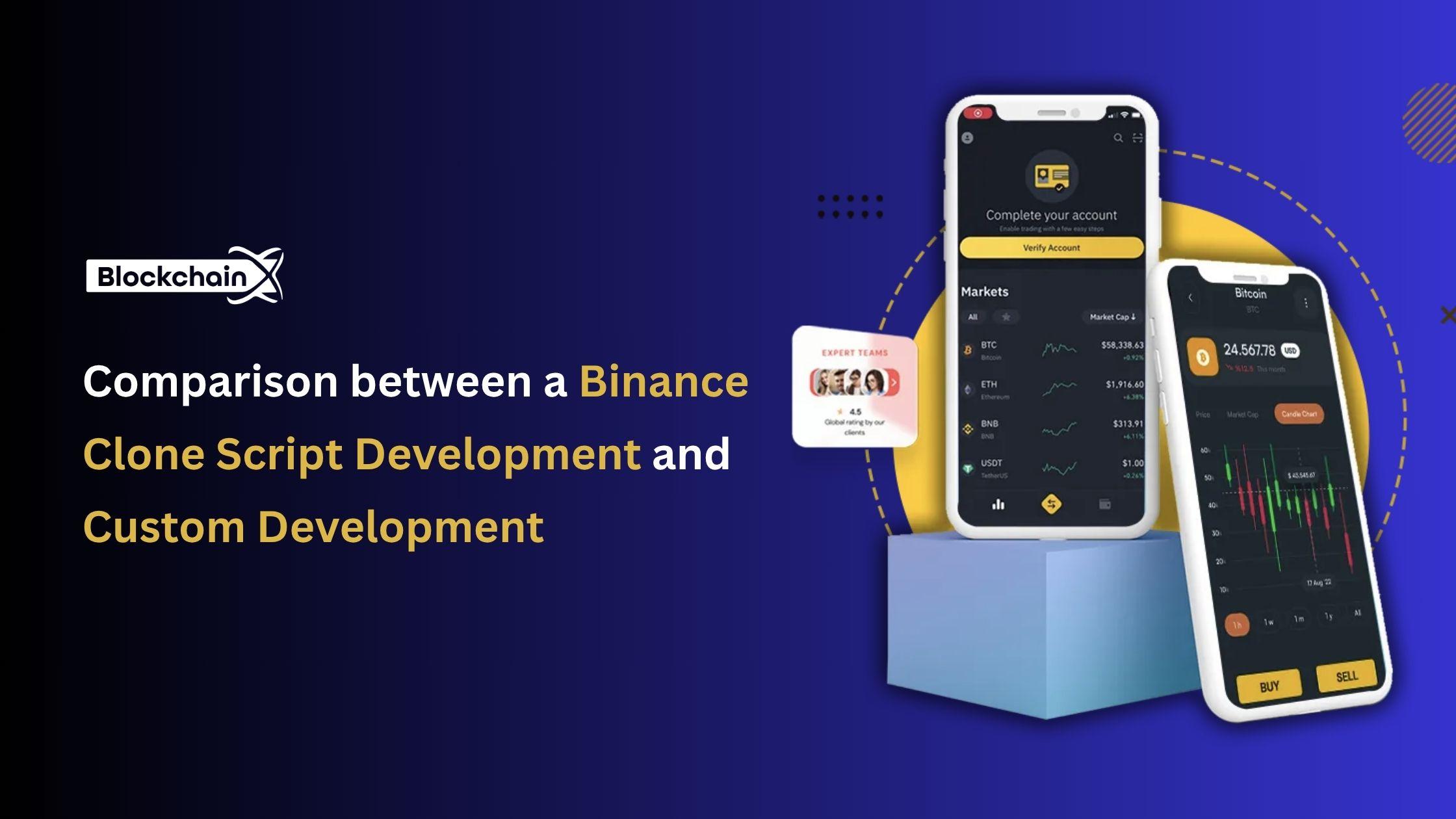
In this Article about Comparison between a Binance Clone Script Development and Custom Development. Cryptocurrency exchanges are booming, and many entrepreneurs are itching to build platforms like Binance to cash in on this trend. In the case of development of such an exchange, there are two trending ways: one is using the Binance clone script, the other is custom development. Let us take a...
Expert Marble Polishing & Floor Ghisai Services in Gurugram Marble flooring accentuates beauty and sophistication to any space, whether a home or a company. However, with time foot traffic, stains, and dust may cause them to lose their natural sheen. Expert marble polishing procedures restore the natural brightness, therefore enhancing the overall look of your...

When it comes to maintaining your bathroom, it's essential to have a team you can trust. Glasgow Handyman Solutions is a reliable and experienced team that offers a range of services, including bath resealing and plumbing maintenance Glasgow. Here's why homeowners in Glasgow choose Glasgow Handyman Solutions for all their bathroom needs. Professional Expertise With years of experience in the...