


Which Bowler Bowled the Fastest Ball Ever? Find Out Here!
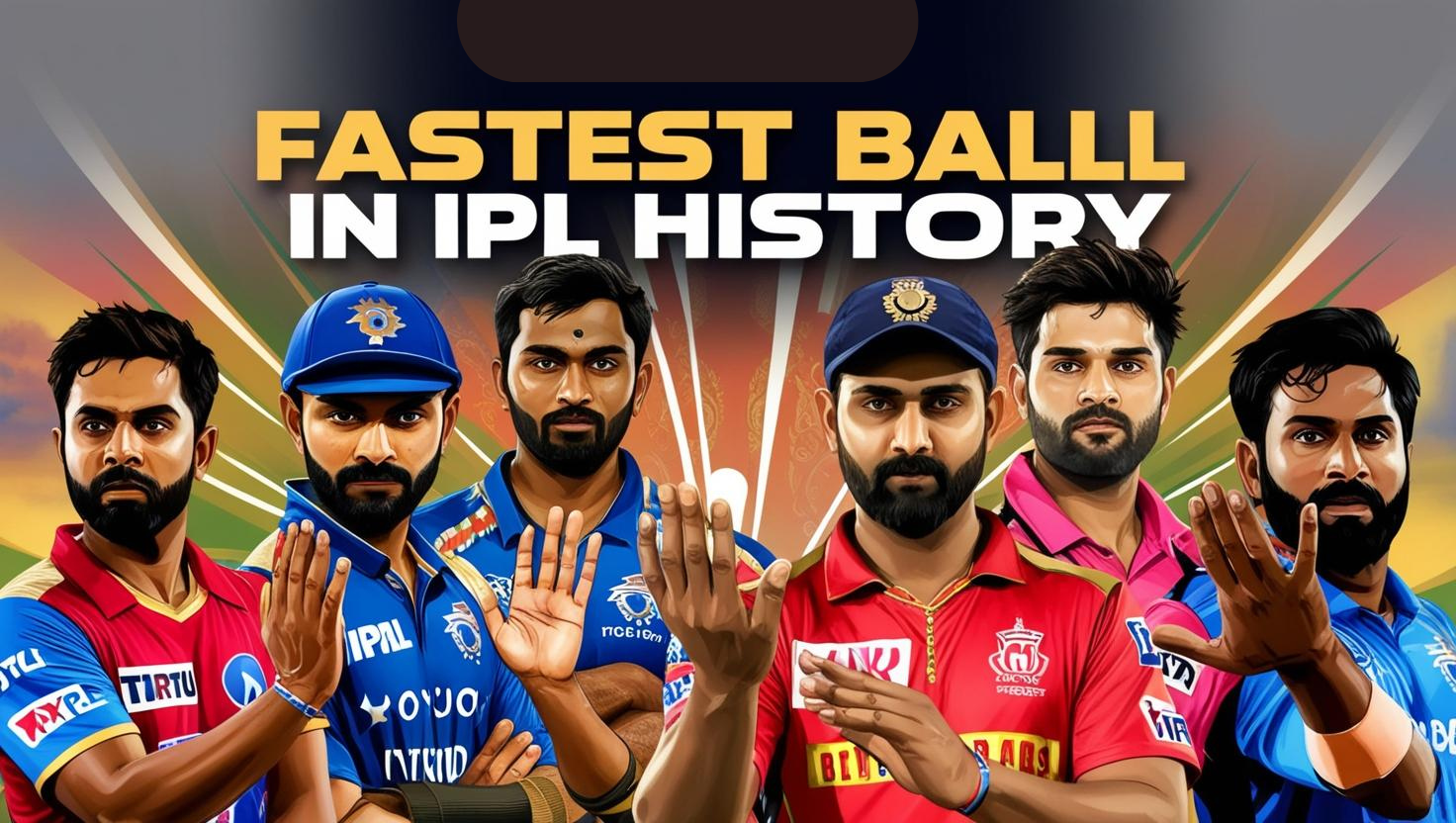
Hey cricket lovers! You know that thrilling moment when a bowler storms in and the ball zooms towards the batsman like a bullet? Well, have you ever wondered who actually bowled the fastest ball in cricket history? Today, let’s check out the story behind the fastest cricket ball ever and learn some cool facts that’ll make you go, “Wah bhai wah!”
Why Speed Matters in Cricket
Before we get into the fastest ball ever, let’s talk about why pace bowling is such a big deal. Here in India, we all love our spinners—like Ashwin or Kuldeep—but when a fast bowler runs in full throttle, the stadium erupts! Think of Jasprit Bumrah or Mohammed Shami, bowling at speeds above 145 km/h — that kind of pace gives even the best batsmen jitters.
Fast bowling isn’t just about raw speed; it’s about skill, control, and the ability to catch the batsman off guard. But every once in a while, someone comes along and smashes all speed records with sheer firepower.
Fastest Ball in the History of Cricket: The Record Holder
The record for the fastest ball in the history of cricket belongs to none other than Pakistan’s Shoaib Akhtar — famously called the “Rawalpindi Express.” The guy was a true speed machine!
Back in the 2003 Cricket World Cup, Shoaib bowled a delivery timed at 161.3 km/h (that’s 100.23 mph!). Breaking the 100 mph mark is something almost nobody has managed, and this delivery became legendary.
Indian fans remember how nerve-wracking it was when Shoaib’s thunderbolts came flying at batsmen like Sachin Tendulkar and Rahul Dravid in those intense Indo-Pak matches.
Other Quick Fire Bowlers You Should Know
Shoaib Akhtar might hold the top spot, but cricket history has seen plenty of other fast bowlers who gave the batsmen sleepless nights:
-
Australia’s Brett Lee was a speedster, regularly hitting 150+ km/h.
-
Jeff Thomson from Australia, back in the 70s, was one of the quickest bowlers ever.
-
South Africa’s Dale Steyn combined pace with deadly swing.
-
And of course, India’s own Jasprit Bumrah and Mohammed Shami are bowling fast and furious today.
In fact, Bumrah has hit speeds near 150 km/h in IPL and international matches — when he bowls those Yorkers, the crowd goes mad!
How Do Bowlers Get So Fast?
You might wonder, how do these guys bowl at such lightning speeds? It’s not just about running fast. It’s a mix of:
-
Strong arm and shoulder strength
-
Perfect bowling action and wrist control
-
Smooth run-up and jump before releasing the ball
-
Tons of practice and hard work over the years
If you play gully cricket or street cricket, you’ll know that bowling above 120 km/h is tough enough, let alone 150!
Indian Fans’ Growing Love for Fast Bowling
In India, fast bowling has earned huge respect over the years. From Kapil Dev’s pace in the 80s to Zaheer Khan and Ishant Sharma, and now the current stars like Bumrah and Shami — fast bowling has become a big part of Indian cricket’s identity.
When you watch an IPL match and Bumrah runs in at full speed, the energy is next level. Every ball hitting above 140 km/h feels like a rocket launch, and the stadium roars with excitement.
What’s the Deal with Speed Guns?
On TV, you’ll often see the speed gun showing how fast a ball is traveling. It uses radar technology to measure the speed right after the bowler releases the ball. But the reading can sometimes vary depending on where the radar is placed or weather conditions.
That’s why Shoaib Akhtar’s 161.3 km/h delivery remains the official fastest, even though some practice deliveries might have gone faster but weren’t officially recorded.
Why Does Bowling Fast Matter So Much?
Fast bowling puts huge pressure on the batsman. When a ball comes at 150 km/h, the batsman has less than half a second to react! It demands:
-
Quick reflexes
-
Perfect footwork
-
Sharp concentration and decision-making
Even legends like Virat Kohli or Rohit Sharma can get rattled by such pace. So it’s not just strength; it’s also about mental toughness.
Can Anyone Bowl That Fast?
If you dream of bowling the fastest ball in cricket history, remember it takes time and dedication. Not everyone has the natural ability or build for it, and that’s totally fine.
Most great fast bowlers started slow and worked hard on fitness, technique, and speed over many years.
Final Thoughts: The Fastest Ball Ever Is Pure Cricket Magic!
Next time you watch a fast bowler charging in with full speed, remember the legends who made history by bowling the fastest cricket ball ever — especially Shoaib Akhtar, the man who blasted through the 100 mph barrier.
The fastest ball in cricket history isn’t just a number — it’s a symbol of power, skill, and love for the game. Whether you’re playing cricket in a Mumbai street or watching an IPL match in a packed stadium, the thrill of a fast delivery is something every Indian cricket fan can feel.
For all the young cricketers reading this: keep practicing, stay fit, and maybe one day you’ll be the one bowling the fastest ball and making your own cricket history!
Categories
- Arts & Entertainment
- Causes
- Crafts
- Dance
- Drinks
- Film
- Health
- Food Trends
- Gaming
- Home & Garden
- Health & Fitness
- Literature
- Music & Concerts
- Networking
- Other
- Party
- Religion
- Shopping
- Sports
- Theater
- Wellness
- Cryptocurrency
- NFT Trends
- Coin update
- Lifestyle
- Business & Finance
- Entrepreneurship
- Marketing Strategies
- Personal Finance
- Investment Tips
- Industry Trends
- Technology
- Gadgets & Reviews
- Software & Apps
- Cybersecurity
- Emerging Technologies
- How-To Guides
- Education
- Movie & TV Reviews
- Celebrity News
- Book Reviews
- Personal Development
- Motivation & Inspiration
- Life Hacks
- Community & Culture
- Local Events
- Cultural Insights
- Social Issues
- Interviews & Spotlights
- Volunteering & Activism
- Science & Nature
- Animal Behavior
- Beauty Tips
- Fashion Trends
- Product Reviews
- Food & Drink
- Cooking
- Restaurant Reviews
- Travel
- Arts & Crafts
- Photography
- Workout Routines
- Parenting Tips
- News
- Tips & Tricks
- Case Studies
- Product Reviews
- Interviews
- Opinion
- Research & Insights
- Events Coverage
- Personal Stories
- Announcements
- Trends & Predictions
- Guest Posts
Read More
More people are turning to cannabis-infused beverages for wellness, relaxation, and social sipping. And if you’ve ever typed “delta 9 soda near me” into your search bar, you’re not alone. As THC drinks grow in popularity, Hectares is leading the charge with craft sodas that blend Delta 9 THC and CBD for the perfect chill moment. Whether you're winding down at home,...

The "Hydroxyprogesterone Caproate Injection Market"report offers valuable insights for businesses, highlighting essential aspects such as market size, share, growth, and emerging trends. It provides companies with the information necessary to make informed decisions and foster business growth. The report explores technological advancements, evolving sales strategies, opportunities for market...

Elegant Edgings Inc. has spent more than 30+ years cultivating a solid reputation as experts in the provision of Expert Landscape Borders Near Vero Beach, FL. We are an innovative company that specializes in designing and installing decorative yet durable landscape borders made of concrete. The company provides an extensive variety of services that serve to enhance the beauty and functionality...

Global antiblock additive market size was valued at USD 3.55 billion in 2024 and is projected to reach USD 5.51 billion by 2032, with a CAGR of 5.65% during the forecast period of 2025 to 2032. The global business landscape is undergoing a transformation, with industries increasingly leaning on deep research and actionable insights to make strategic decisions. One segment seeing tremendous...
"Resistant Starch Market Size And Forecast by 2032 The study also emphasizes the broader implications of the strategies employed by these companies on the Resistant Starch Market. Their innovations and market contributions not only shape the industry today but also pave the way for its future trajectory. By analyzing these companies, the report equips stakeholders with actionable insights to...