Matcha: The Green Gold of Japan That’s Conquering the World
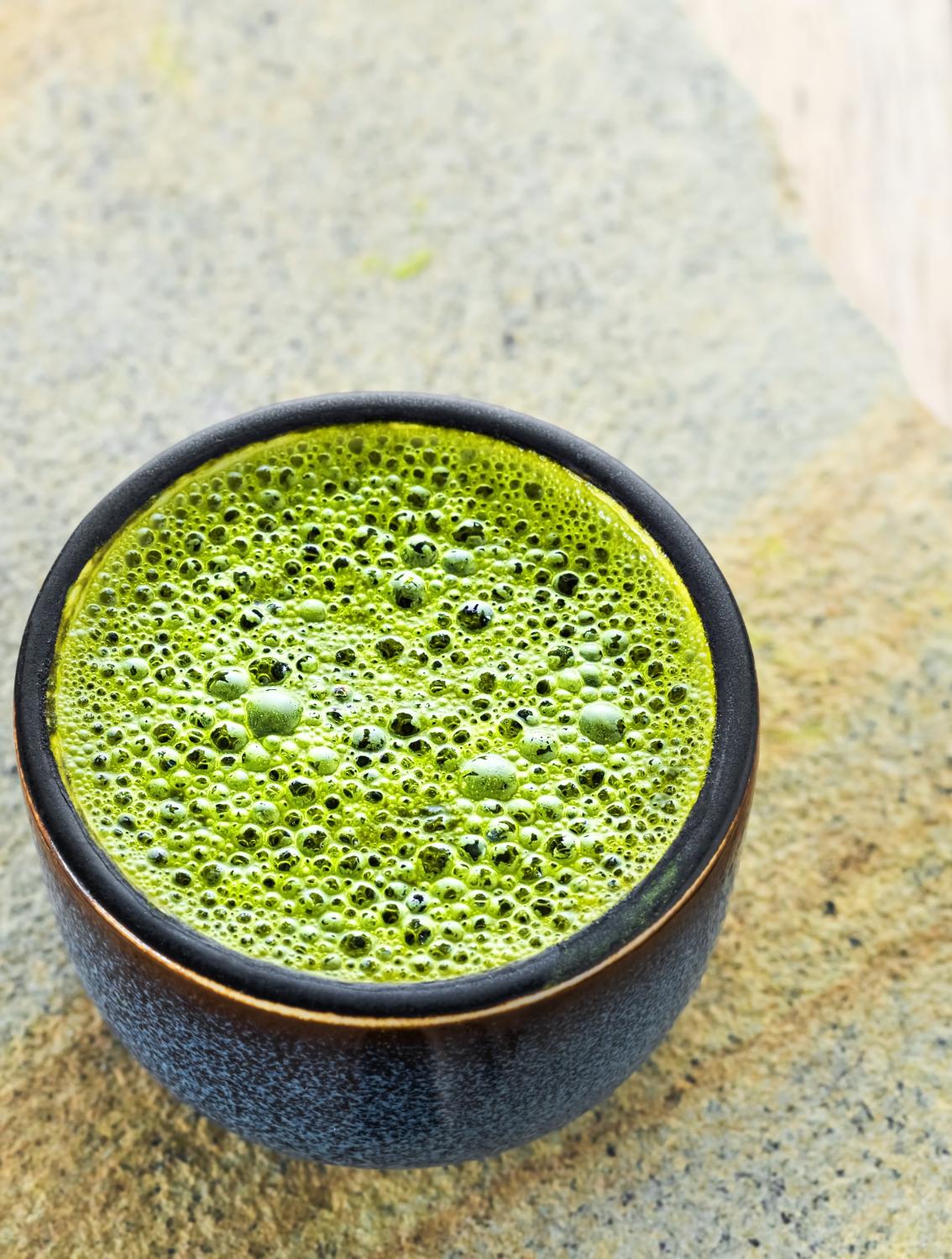
In the world of wellness, superfoods, and elegant café trends, one bright green powder stands out: matcha. From traditional tea ceremonies in Japan to modern lattes and desserts in trendy cafés, matcha has traveled through time and across cultures to become a global favorite. But what exactly is matcha? And why is the world so fascinated by it?
Let’s dive into the vibrant world of matcha – a drink with history, health, and a whole lot of character.
What is Matcha?
Matcha is a type of green tea, but not your average cup. It is made from finely ground shade-grown tea leaves known as tencha, which are carefully processed and powdered into a vibrant green dust. Unlike regular green tea, where you steep the leaves and discard them, with matcha you consume the entire leaf, gaining all the nutrients and antioxidants it has to offer.
Its taste is unique: rich, earthy, and slightly bitter with a natural sweetness and an umami (savory) finish. For many, it’s an acquired taste — but one that becomes addictive once embraced.
A Glimpse into Matcha’s History
Matcha's story began over a thousand years ago in China, where Zen Buddhist monks began grinding green tea into powder for meditative rituals. It was introduced to Japan in the 12th century by the monk Eisai, who brought not only the tea plant but also the spiritual tradition surrounding its consumption.
In Japan, matcha became deeply rooted in the Japanese tea ceremony (chanoyu) — a ritual that celebrates harmony, respect, and tranquility. Today, matcha continues to hold a sacred place in Japanese culture, while also enjoying a vibrant modern identity worldwide.
Health Benefits of Matcha
Matcha isn’t just famous for its color and cultural importance — it's celebrated as a superfood, packed with a powerhouse of nutrients and antioxidants. Here’s why health enthusiasts love it:
1. High in Antioxidants
Matcha contains a class of antioxidants called catechins, particularly EGCG (epigallocatechin gallate), which has been linked to reducing inflammation and protecting cells from damage.
2. Boosts Energy Without the Crash
Thanks to its natural content of caffeine combined with L-theanine, an amino acid, matcha provides a calm and focused energy — unlike coffee’s often jittery high followed by a crash.
3. Supports Metabolism and Weight Loss
Studies suggest matcha can help increase metabolism and fat burning, making it a favorite among fitness lovers.
4. Enhances Mental Focus and Calmness
L-theanine also promotes relaxation and concentration, making matcha an excellent choice for students, professionals, or anyone needing mental clarity.
5. Detoxifies Naturally
Because matcha is shade-grown, it produces more chlorophyll, which helps detoxify the body and support skin health.
How is Matcha Made?
Producing high-quality matcha is an art:
-
Shade-Growing: Weeks before harvest, tea plants are shaded from sunlight, which increases chlorophyll levels and enhances amino acids.
-
Harvesting: Only the youngest, most tender leaves are picked.
-
Steaming and Drying: Leaves are steamed to prevent oxidation, then dried.
-
Grinding: Once dried and de-stemmed, the leaves (tencha) are ground slowly using granite stone mills into a fine powder.
True matcha is never cheap or mass-produced. Authentic Japanese matcha is labeled by quality: Ceremonial Grade (best for traditional drinking) and Culinary Grade (ideal for recipes and cooking).
Matcha in the Modern World
While matcha remains a spiritual symbol in Japan, it has found exciting new forms across the globe. Walk into any modern café, and you’ll likely find:
-
Matcha Lattes: Creamy, green, and delicious with milk (dairy or plant-based).
-
Matcha Smoothies: Blended with fruits and yogurt for a health boost.
-
Matcha Desserts: Ice cream, cookies, cakes, macarons, and even matcha tiramisu.
-
Matcha Skincare: Thanks to its antioxidants, matcha is now in face masks, scrubs, and lotions.
Matcha has become more than a drink; it’s a lifestyle statement, representing wellness, mindfulness, and aesthetic living.
Tips for Enjoying Matcha at Home
If you're new to matcha and want to try it at home, here’s how to get started:
Ingredients:
-
1 teaspoon of ceremonial-grade matcha
-
2 oz hot water (not boiling – about 80°C)
-
Whisk (preferably a bamboo chasen)
Steps:
-
Sift the matcha to remove clumps.
-
Add hot water to the powder.
-
Whisk vigorously in a zigzag motion until frothy.
-
Sip mindfully and enjoy!
For a latte, simply add steamed milk and a touch of honey or vanilla.
Final Thoughts: A Green Revolution
Matcha is more than a trend — it’s a timeless tradition that meets modern needs. Whether you're sipping it during a quiet morning or snapping photos of a matcha dessert for Instagram, you're part of a long, beautiful journey that started in a Zen monastery and ended up in global cafés and kitchens.
Its rich flavor, powerful health benefits, and cultural depth make matcha not just a drink, but an experience. So, next time you’re looking for something vibrant, energizing, and meaningful, reach for a cup of matcha – your body, mind, and taste buds will thank you.
Κατηγορίες
- Arts & Entertainment
- Causes
- Crafts
- Dance
- Drinks
- Film
- Health
- Food Trends
- Gaming
- Home & Garden
- Health & Fitness
- Literature
- Music & Concerts
- Networking
- άλλο
- Party
- Religion
- Shopping
- Sports
- Theater
- Wellness
- Cryptocurrency
- NFT Trends
- Coin update
- Lifestyle
- Business & Finance
- Entrepreneurship
- Marketing Strategies
- Personal Finance
- Investment Tips
- Industry Trends
- Technology
- Gadgets & Reviews
- Software & Apps
- Cybersecurity
- Emerging Technologies
- How-To Guides
- Εκπαίδευση
- Movie & TV Reviews
- Celebrity News
- Book Reviews
- Personal Development
- Motivation & Inspiration
- Life Hacks
- Community & Culture
- Local Events
- Cultural Insights
- Social Issues
- Interviews & Spotlights
- Volunteering & Activism
- Science & Nature
- Animal Behavior
- Beauty Tips
- Fashion Trends
- Product Reviews
- Food & Drink
- Cooking
- Restaurant Reviews
- Travel
- Arts & Crafts
- Photography
- Workout Routines
- Parenting Tips
- News
- Tips & Tricks
- Case Studies
- Product Reviews
- Interviews
- Opinion
- Research & Insights
- Events Coverage
- Personal Stories
- Ανακοινώσεις
- Trends & Predictions
- Guest Posts
Διαβάζω περισσότερα
Nigeria needs an evidence-based method to handle hyperpigmentation issues, which occur in its clinical environment. The prescription-only Melalite Forte Cream contains hydroquinone as its active ingredient, which treats melasma.Mechanism of Action for Melalite Cream The active agent in Melalite Cream functions as a competitive inhibitor of tyrosinase. Using a "lock and key" mechanism, the...

Energy Drinks Market Segmentation, By Product Type (Energy Drinks, Energy Shots ,Non-Alcoholic, and Alcoholic), Type (Inorganic and Organic), Application (Before Exercise, Recovery, and During Exercise), Consumption Time (Before 11 am, Post 9 pm, 11-2 pm, 2-5 pm, and 5-9 pm), Ingredients (Taurine, Caffeine, Guarana, Vitamin B, L-Carnitine, Antioxidants, and Others), Distribution Channel...
The Edutainment Market sector is undergoing rapid transformation, with significant growth and innovations expected by 2032. In-depth market research offers a thorough analysis of market size, share, and emerging trends, providing essential insights into its expansion potential. The report explores market segmentation and definitions, emphasizing key components and growth drivers....

Digital Pen Market Synopsis 2025: New York, United States, The purpose of this section's research is to study the Digital Pen Market during the course of the estimated period using several confirmed parameters based on Porter's Five Forces Model. As a result, a thorough inspection of the market helps in recognizing and emphasizing the market's crucial strengths and weaknesses as it...
"Dental Implants Market Size And Forecast by 2030 Data Bridge Market Research analyses that the Global Dental Implants Market which was USD 3.95 Billion in 2022 is expected to reach USD 6.67 Billion by 2030 and is expected to undergo a CAGR of 7.00% during the forecast period of 2022 to 2030 The global Dental Implants Market study presents a comprehensive analysis of the industry's...